Micropigmentation
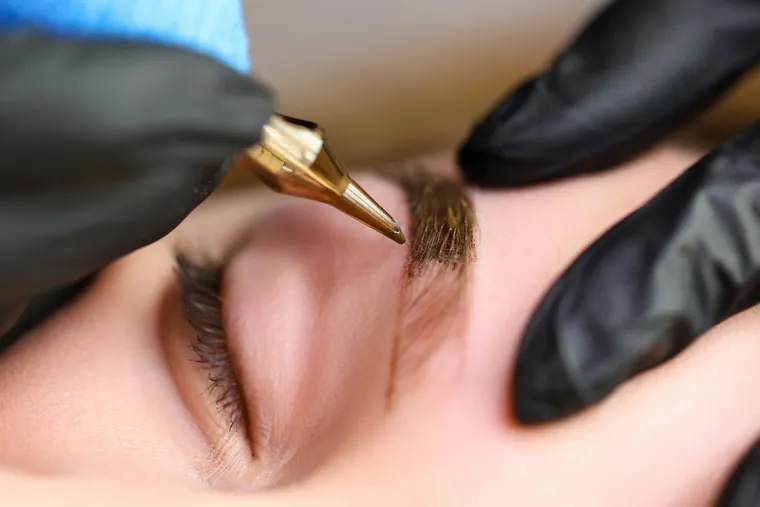
What is Micropigmentation?
Micropigmentation, also known as permanent makeup, permanent cosmetics, or cosmetic tattooing, is the process of adding pigment to the skin using tools such as a tattoo or permanent makeup machine. It can be used for the scalp, eyebrows, eyes, lips, and breasts. It's also used to camouflage scars or to restore color to the skin that is uneven or has been lost. When done correctly, it’s a fabulous way to look and feel great by enhancing the overall appearance of your face. Harlowe Beauty Studio offers a wide variety of permanent makeup procedures.
A Brief History of Micropigmentation
Micropigmentation has been around for thousands of years. Evidence shows, some of the earliest forms of the art are found on Egyptian and Nubian mummies. However, that timeframe has been pushed back to 5,200 years ago with the discovery of the "Iceman." Cultures from around the world including the Incas, Mayans, Aztecs and Greeks also participated in the practice of tattooing. Unlike today, tattoos were used for a different purpose. They were a part of ritual, displayed status, or used for therapeutic purposes.
According to Smithsonian magazine, a distribution of small dots and crosses were found on the Iceman. The dots on his lower spine, right knee, and ankle joints correspond to areas of strain-induced degeneration, with the suggestion that they may have been applied to alleviate joint pain and were therefore essentially therapeutic. Similarly for Egyptian women, the tattoos functioned as a permanent form of amulet during the very difficult time of pregnancy and birth. This is supported by the pattern of distribution, largely around the abdomen, on top of the thighs and the breasts, and would also explain the specific types of designs, in particular the net-like distribution of dots applied over the abdomen. During pregnancy, this specific pattern would expand in a protective fashion in the same way bead nets were placed over wrapped mummies to protect them and "keep everything in." The placing of small figures of the household deity Bes at the tops of their thighs would again suggest the use of tattoos as a means of safeguarding the actual birth, since Bes was the protector of women in labor. I personally find it fascinating that tattoos have evolved from little dots made with stone age tools to what we know now.
The first documented permanent makeup treatment was done by the famous U.K. tattoo artist Sutherland MacDonald in 1902 at his parlor, Jermyn Str., London. His work was said to have given an "all-year-round delicate pink complexion" on the cheeks. Then, in the 1930's, the industry took a great leap forward. A tattoo artist by the name of George Burchett started to develop techniques in cosmetic tattooing. He was known to permanently darken the eyebrows and was a favorite among royalty and celebrities. He helped transform the permanent makeup industry from clandestine to fashionable. His work ultimately led to what we now know as modern permanent makeup.
Cosmetic Tattoo Applications
Modern permanent makeup has grown into a worldwide industry with new techniques emerging every day. Some of the most common terms and procedures are:
- Scalp Micropigmentation
- Microblading
- Ombre Brows
- Combination Brows
- Nanobrows
- Microshading
- Classic Eyeliner tattoo
- Lip liner
- Lip Tattoo
- Lip Blushing
- Scar Camouflage
- Areola Tattoo
I will give you an in depth look into each cosmetic tattooing procedure in future blogs.
Who is a good candidate for permanent cosmetics?
- There is no age limit for cosmetic tattooing. The process of micropigmentation is very gentle to the skin. This means that even women in their eighties can get the procedure.
- Those who have shaky hands or poor eyesight.
- Those who suffer from thin hair, hair loss, or alopecia.
- Those who exercise on a regular basis and do not want their makeup to run off.
- Those who want the convivence of waking up with makeup.
- Those who want to save time applying makeup.
- Women who don’t want to worry about their makeup in general should seriously consider having permanent makeup applied. The freedom from the life long hassle of applying makeup is indescribable.
Who is not a candidate for permanent makeup?
While it’s suitable for most people, there are certain reasons that we can’t treat everyone. Before undergoing treatment, clients are always made aware that certain contraindications can prevent us from proceeding. These include:
- Those with high blood pressure or heart conditions
- Those who are taking blood-thinners
- Diabetes (Type 1)
- Pregnant or lactating
- Glaucoma
- Herpes simplex (Conditional)
- Certain skin conditions e.g. rashes, blisters, psoriasis, or eczema
- Those who are allergic to makeup
- Acute acne in the treatment area
- Susceptibility to post-inflammatory hyperpigmentation (Procedure Dependent)
- Hypertrophic scarring or keloids
- Spider veins or a birthmark in the area they want to be treated
- Blood disorder e.g. sickle cell anemia, hemophilia, or a platelet disorder
For some conditions it may be possible to ask your provider for written authorization to proceed with treatment.
What is the process like?
On the day of your appointment, you will come in and we will go over your permanent makeup goals. We will discuss shape, thickness, style, and color. You are free to bring in photos and existing makeup to help me better understand your expectations. Once we have a goal in mind, we will start numbing. We use a topical lidocaine for this. After 20 minutes, we start the drawing process. This is where we determine an appropriate design for you. We work together to achieve this and it's very important that you speak up in terms of your likes and dislikes.
Side Note: While we strive for perfection in overall symmetry, sometimes its not 100% possible. The face, especially in the brow area, is not exactly the same. Its important that you have real expectations and understand this.
Once the design is approved by you, we move forward. We start the micropigmentation process. The first pass is the where you might feel a slight pricking sensation. Additional numbing will then be applied to keep you comfortable throughout the procedure. -- Most clients fall asleep! --
The overall timeframe is procedure dependent. Most take about 3 hours in total. After the final check is performed, aftercare will be given and reviewed. You will return for the touchup visit in 4-8 weeks.
How can you book your appointment?
You can find pricing information here and when you're ready you can book your appointment here.
Fernandina Beach, Amelia Island
Start with a free consultation
Thirty minutes, no pressure. Bring your questions and photos, and Meaghan will tell you honestly which brow, lip or skin treatment will suit you.
Keep reading
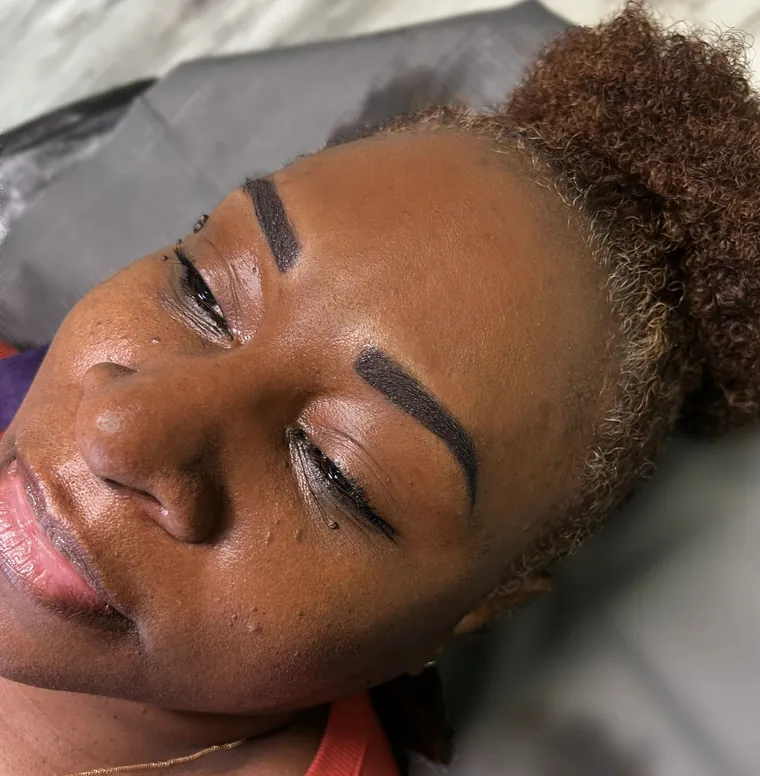
The Transformative Power of Powder Brows: Harlowe Beauty Explains
In the dynamic world of eyebrow trends, powder brows have emerged as a top contender, gaining popularity amongst beauty enthusiasts everywhere. At Harlowe Beauty Studio, we…
Areola Tattooing and Insurance Coverage
Breast cancer is a difficult journey for anyone to go through, and the process of breast reconstruction is an important part of the healing process. Many people who have…
Why do women want areola tattooing?
There are a few reasons why women may choose to get areola tattooing, which is a form of cosmetic tattooing that involves tattooing pigment onto the areola to create the…